
When to plant wildflowers in South Texas
Fall seeding from September through mid-November gives bluebonnets and other annuals the winter rains they need. Scatter seed on bare, lightly raked soil, press it in, and don't cover more than 1/8 inch.
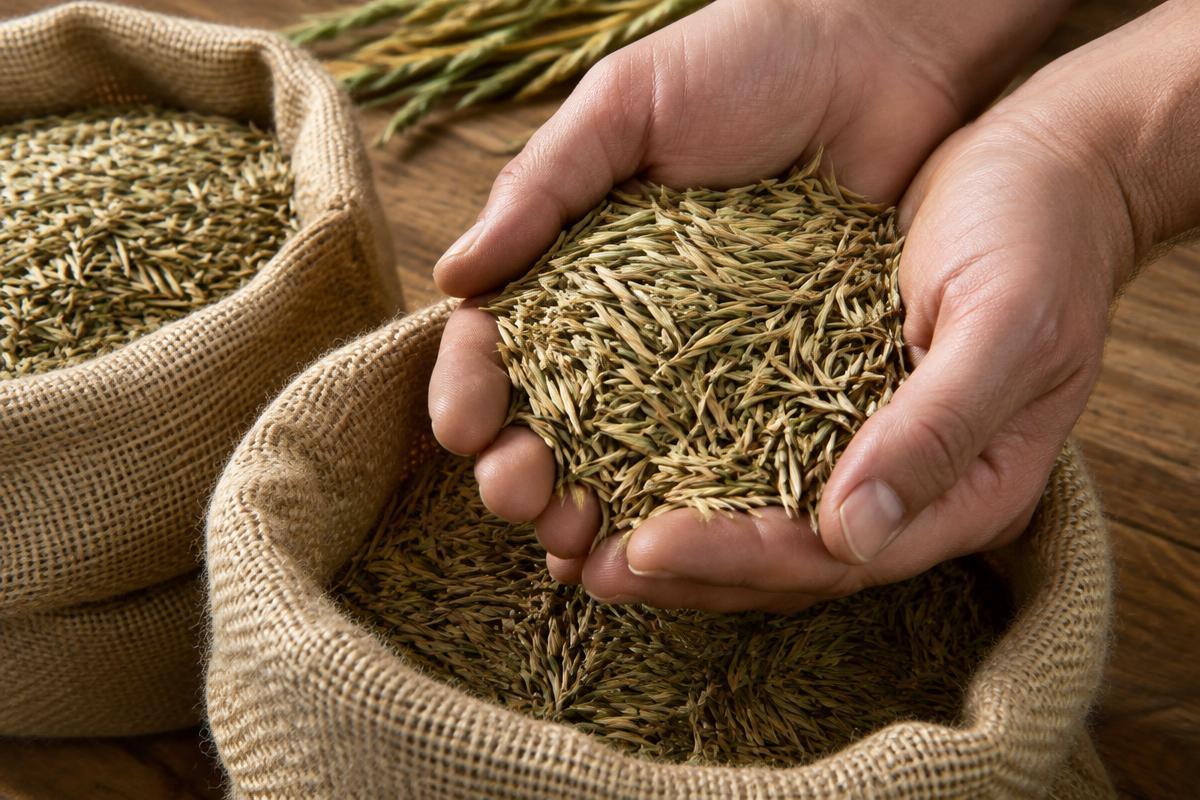
Free, practical advice from our team to help your native plants succeed.
Fall seeding from September through mid-November gives bluebonnets and other annuals the winter rains they need. Scatter seed on bare, lightly raked soil, press it in, and don't cover more than 1/8 inch.
Pure Live Seed = % purity × % germination. A bag at 80% purity and 75% germination is 60% PLS — so 10 lbs of bulk seed only delivers 6 lbs of live seed. Always compare prices by PLS pound.
Control existing weeds and bermuda first, then create a firm seedbed — your boot heel should sink no more than half an inch. Native seed is small and must be placed shallow.
Water deeply twice a week for the first month, then weekly through the first summer. After year one, most natives need water only during extended drought.
Take half, leave half. Rotational grazing with rest periods lets native bunchgrasses recover and keeps roots deep and drought-resistant.
Include at least two milkweed species and a mix of nectar plants blooming in spring and fall migration. Give it six hours of sun and avoid pesticides.
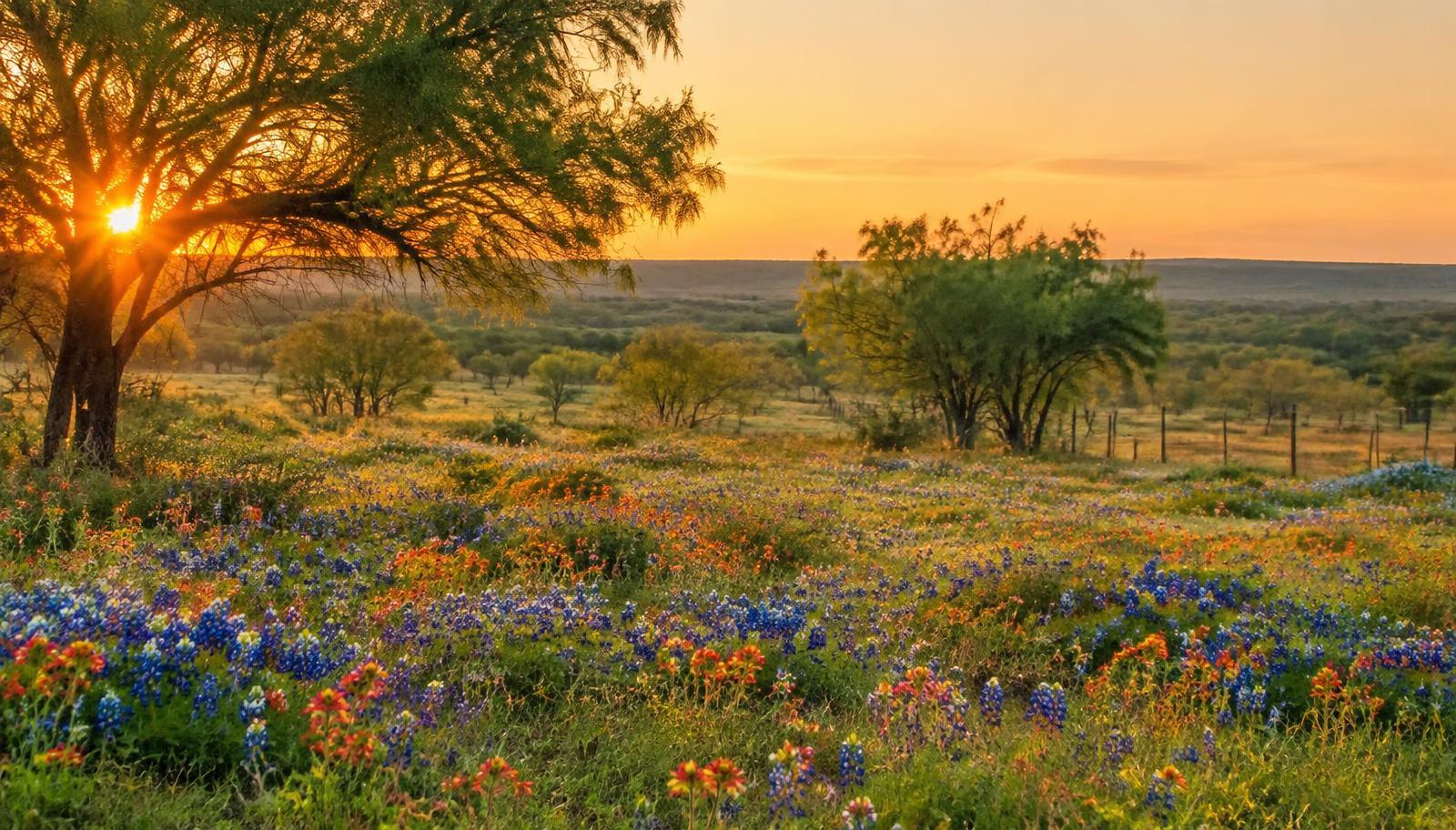
We recommend these public resources for landowners and gardeners.
Tell us about your property and goals. Scott or one of our land specialists will reply within one business day with honest recommendations and a written estimate.